Up
until the mid-1960s the only so called 'tourists' that visited
The Gambia were rich stop-over
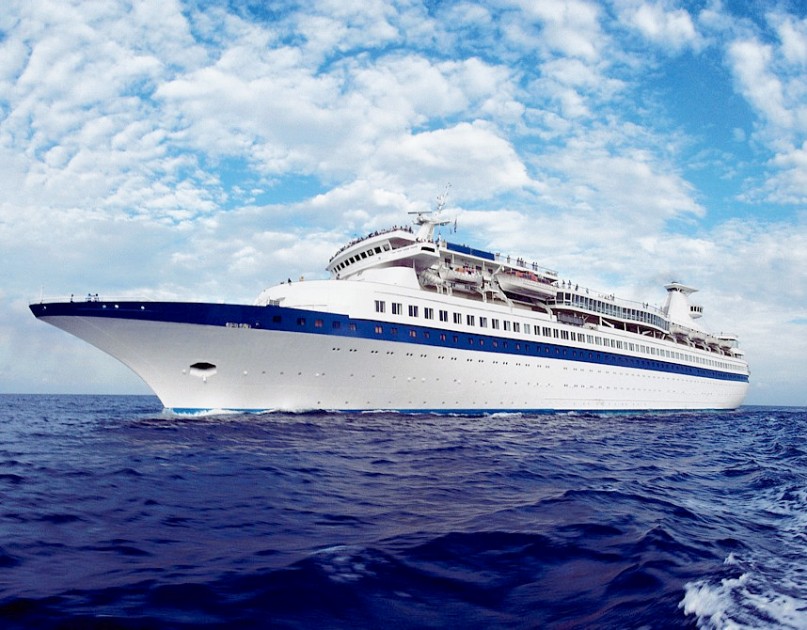
Swedish sightseers from cruise ships which spent the day in Banjul
allowing people take short rides to places of interest.
It also coincided with the countries independence and a time of
great hope for the future of the tiny country. However, this future
was literally peanuts! Up
until the mid-1960s the only so called 'tourists' that visited
The Gambia were rich stop-over
Swedish sightseers from cruise ships which spent the day in Banjul
allowing people take short rides to places of interest.
It also coincided with the countries independence and a time of
great hope for the future of the tiny country. However, this future
was literally peanuts!
 The
early tourist industry was given a momentum when a Swedish entrepreneur
by the name of Bertil Harding was travelling
to Cap Skirring (Capskerring) in south Senegal, in 1965 when,
after some unfortunate personal incidences, he accidentally drifted
onto the shores of The Gambia. When he experienced the country
he became determined that his own country's people should see
this 'paradise' so near (by air-time) to home and how friendly
the people were. The
early tourist industry was given a momentum when a Swedish entrepreneur
by the name of Bertil Harding was travelling
to Cap Skirring (Capskerring) in south Senegal, in 1965 when,
after some unfortunate personal incidences, he accidentally drifted
onto the shores of The Gambia. When he experienced the country
he became determined that his own country's people should see
this 'paradise' so near (by air-time) to home and how friendly
the people were.
 Thus,
the Gambia's tourism industry was given a boost and put on a more
formal footing when a group of about 300 tourists from Sweden
landed on the shores of The Gambia in 1965. During the 1966/67
period the figure for visitors brought by Vingressor
increased to 628 tourists. This increased by over hundred percent
indicating very clearly that the sun and beaches
had become a major tourist attractions.
This view is captured in an advertisement issued by the Ministry
of Information, Broadcasting and Tourism in a 1975 with a
publication entitled: Thus,
the Gambia's tourism industry was given a boost and put on a more
formal footing when a group of about 300 tourists from Sweden
landed on the shores of The Gambia in 1965. During the 1966/67
period the figure for visitors brought by Vingressor
increased to 628 tourists. This increased by over hundred percent
indicating very clearly that the sun and beaches
had become a major tourist attractions.
This view is captured in an advertisement issued by the Ministry
of Information, Broadcasting and Tourism in a 1975 with a
publication entitled:
'The Gambia Ten Years
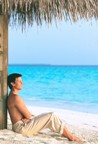
of Nationhood'. It reads: "A climate
that has been described as one of the best in the world, mile
upon mile of such splashed beaches,
tall coconut palms, blue tropical skies, a river
that can take you deep into the heart of Africa....."
 The
original trips were organised in a partnership venture between
Mr. Harding and the tour operator Vingressor
/ Club 33 (Ving) who saw that it was an ideal opportunity
for Swedes to escape the winter gloom for a holiday in an exotic
'paradise' beach resort during the
dark northern European months of October to April. The
original trips were organised in a partnership venture between
Mr. Harding and the tour operator Vingressor
/ Club 33 (Ving) who saw that it was an ideal opportunity
for Swedes to escape the winter gloom for a holiday in an exotic
'paradise' beach resort during the
dark northern European months of October to April.
Vingressor
/ Club 33 promoted sun and beach tourism and constituted the only
company which offered package holidays up to the 1971/72 tourist
season.
Note:
 The
stretch of the coastal highway from Kairaba
Avenue (Fajara) traffic lights
and going some way south has been named after Bertil Harding in
recognition of his previous efforts to promote the Gambia's tourism
industry. The
stretch of the coastal highway from Kairaba
Avenue (Fajara) traffic lights
and going some way south has been named after Bertil Harding in
recognition of his previous efforts to promote the Gambia's tourism
industry.
 A
major expansion of tourist arrivals to Gambia was experienced
in the 70s. In short, tourist arrivals increased from 300 tourists
in 1965/66 to 2,601 in 1970/71. In 1971/72, the number almost
quadrupled to 8,031. The numbers reveal an increase to 20,383
visitors in 1973/74. By 1985, 47,926 tourist arrivals were recorded.
By 1993/94, the number had increased to 89,977 tourists.
The country now (2008) receives over 100,000 visitors a year. A
major expansion of tourist arrivals to Gambia was experienced
in the 70s. In short, tourist arrivals increased from 300 tourists
in 1965/66 to 2,601 in 1970/71. In 1971/72, the number almost
quadrupled to 8,031. The numbers reveal an increase to 20,383
visitors in 1973/74. By 1985, 47,926 tourist arrivals were recorded.
By 1993/94, the number had increased to 89,977 tourists.
The country now (2008) receives over 100,000 visitors a year.
The number of beds had to increase from 162 in 1965/66 to 390
in 1970/71.  This
number grew to 856 in 1971/ 72, 1,802 in 1974/75. The number of
hotels increased from 1 in 1954 to
2 in 1965, 13 in 1972/73 and over 40 currently. By 1993/94, there
were over 6,000 bed spaces. In 2005 the total stock of hotel beds
in Gambia stood at 7,000 with 3,000 rooms (Deloitte). This
number grew to 856 in 1971/ 72, 1,802 in 1974/75. The number of
hotels increased from 1 in 1954 to
2 in 1965, 13 in 1972/73 and over 40 currently. By 1993/94, there
were over 6,000 bed spaces. In 2005 the total stock of hotel beds
in Gambia stood at 7,000 with 3,000 rooms (Deloitte).
However, this influx of visitors did not materialise into direct
foreign tourism investment which still left the country relying
on groundnuts as a foreign exchange earner. The government under
the then President Jawara was eager to find alternatives to groundnuts
as a foreign exchange earner and wanted to exploit tourisms potential.
As a result, in 1970, the idea of the TDA
(Tourism Development Area) was born which designated a 1,000 metre
length of beach area going inland from Kololi
to Kartong for tourist development.
This meant that no residential real estate could be built their.
(This is the reason why so many property buyers are confused as
to why they cannot buy a house on the beach). The government soon
saw the real potential of this new industry and began to offer
incentives to would-be investors in the form of tax duty waivers
and tax holidays.
Much of that earlier charm and the excitement of discovery has
now sadly faded and most tourists now come on mass-booked, cheap
package holidays organised by the large tour
operators on chartered flights. However, the country has been
careful to avoid the mistakes made by the likes of Spain and has
kept hotel heights down and emphasized an African style exterior
for buildings while allowing for European style interiors with
an African accent. Great efforts are made by ASSET,
who are an association who promote responsible
tourism practices, to help reduce the negative effects of
mass tourism on such a small country.
|
|
|
 |


 Travel & Tourism
Tourism Statistics
Travel & Tourism
Tourism Statistics