REQUIRED VACCINATIONS:
 Many people ask "Do I need inoculations
to visit The Gambia?"
Many people ask "Do I need inoculations
to visit The Gambia?"
It all depends on what is
meant by "need". The first thing to know is that it
is not compulsory to have any immunisations to gain entry, unless
you are coming from a yellow fever zone. This last requirement
does not apply to travellers from the UK, USA, EU or the vast
majority of countries outside of sub-Saharan Africa and S. America.
*Make sure you are vaccinated and up-to-date with your COVID-19
vaccines before travelling to The Gambia.
If you are staying in Gambia beyond a couple of weeks you may
be advised by your doctor to have certain inoculations. However
long your stay it is highly recommended you visit your
doctor or travel health clinic first (4 to 8 weeks before your
departure) before reserving your holiday. They will almost certainly
recommend malaria prevention
medications. If you are
travelling with children or are pregnant then you, or your
children, may require certain vaccinations. Before you travel
make sure you are up-to-date on your country's routine vaccines
and boosters such as polio, tetanus, diphtheria and MMR.
PLEASE NOTE:
 If
you are coming to The Gambia from a country with the yellow
fever virus (YFV) then you are required to produce at the
port of entry a yellow fever health certificate (for those aged
1 year or over) that shows you have received an inoculation against
the mosquito borne virus. The yellow fever zones are mostly in
sub-Saharan west and central Africa and South America. If
you are coming to The Gambia from a country with the yellow
fever virus (YFV) then you are required to produce at the
port of entry a yellow fever health certificate (for those aged
1 year or over) that shows you have received an inoculation against
the mosquito borne virus. The yellow fever zones are mostly in
sub-Saharan west and central Africa and South America.
If during your stay or after your return home you develop a flu-like
illness or any symptoms such as fever, nausea, stomach pain, shivering,
sweating, headache discolouration of urine, jaundice or
any health problems, then you should immediately go
and see your doctor. Some disease symptoms can occur within a
few days after infection, while others show up after several weeks
or longer.
Do also remember to take along some basic items such as aspirin
or paracetamol, antihistamine for insect bites and stings, sunscreen
cream to protect against sunburn, anti-diarrhoeal drugs, insect
repellent etc. Many of these items are available locally but quality
cannot be guaranteed.

LONG-TERM STAY OR RISKY SITUATIONS:
 If
you are planning on staying in The Gambia beyond the usual 2 weeks
holiday or are need to spend some time in deprived urban areas,
rural villages or use shared local transport then the following
vaccinations are recommended: hepatitis A, meningitis, polio,
tetanus, typhoid and yellow fever. Your doctor can best
advise you whether your specific travel plans warrants taking
a few or all of these. If
you are planning on staying in The Gambia beyond the usual 2 weeks
holiday or are need to spend some time in deprived urban areas,
rural villages or use shared local transport then the following
vaccinations are recommended: hepatitis A, meningitis, polio,
tetanus, typhoid and yellow fever. Your doctor can best
advise you whether your specific travel plans warrants taking
a few or all of these.
• Hepatitis A (HAV)
 This
is a chronic viral infection present in human stools that causes
inflammation of the liver. It is transmitted through exposure
to the hepatitis A virus and can be present in contaminated food,
water, and sometimes through sharing needles and sexual intercourse.
There is currently no available cure for the virus, but a combined
immunisation for hepatitis A and B is available and recommended. This
is a chronic viral infection present in human stools that causes
inflammation of the liver. It is transmitted through exposure
to the hepatitis A virus and can be present in contaminated food,
water, and sometimes through sharing needles and sexual intercourse.
There is currently no available cure for the virus, but a combined
immunisation for hepatitis A and B is available and recommended.
If you are infected with hepatitis A then you will show flu-like
symptoms such as muscle and joint pain, mild fever, nausea and
vomiting. Symptoms of liver infection show up as jaundice, itchy
skin, passing pale stools and dark urine as well as an inflamed
and tender liver. Such symptoms usually clear up in less than
2 months, and in most cases the liver will recover fully.
To prevent the spread of the disease good personal hygiene is
recommended such as washing your hands after using the toilet
and before cooking food. Other measures include using a condom
during intercourse, making sure that anything you eat is piping
hot, drinking only bottled water, not sharing eating or drinking
utensils, toothbrushes and towels.
• Meningococcal Meningitis
The bacteria is more common during the dry season (November to
June), and The Gambia is located inside the 'meningitis belt'
of sub-Saharan Africa, which runs from Senegal to Ethiopia.
The bacteria are transmitted from person-to-person through the
air in droplets of respiratory or throat secretions from infected
persons. Close and prolonged contact facilitates the spread of
the disease. Examples of close contact are sharing drinking or
eating utensils, coughing or sneezing on someone and kissing.
The disease causes an inflammation of the membranes surrounding
your spinal cord and brain. Symptoms show up as fever, stiff neck
and headache. Meningococcal vaccine is recommended, especially
if extended contact with the local people is likely.
• Polio
Poliomyelitis is a highly contagious viral disease that mainly
affects children and is largely spread through the faecal-oral
route or, less often, contaminated food and water. Once infected
the virus multiplies in the intestine, from where it can enter
the nervous system and can cause paralysis.
The first symptoms of polio include stiffness in the neck, fever,
vomiting, fatigue, pain in the limbs and headache.
If you have been immunised as a child and intend to travel to
a location where polio is occurring, you should check that you
have had your final booster dose which lasts a lifetime.
• Rabies
The zoonotic disease is spread by a virus through the saliva of
an infected animal, usually through a bite, scratch or lick on
broken skin, particularly from dogs and cats, but also bats. The
rabies virus attacks the central nervous system causing disease
in the brain and death. Depending on the location of initial infection
the incubation period for rabies is typically 1 to 3 months, but
may vary from less than 1 week to over 1 year.
Early symptoms include fever, vomiting, sore throat, headache,
chills, irritability, headache, sleeping problems, and general
weakness or discomfort. Later symptoms may include anxiety, hallucinations,
hypersalivation, insomnia, hydrophobia, excitation and partial
paralysis.
If you are going to stay in remote areas of The Gambia where rapid
access to treatment is not available in case of a bite, you should
get a rabies vaccination. If you get bitten by any animal then
it is advisable to immediately wash the site for at least 15 minutes
with water and soap or detergent to flush out and kill the virus.
Then seek immediate medical attention from a qualified medical
practitioner for post-exposure prophylaxis.
• Tetanus
Tetanus, commonly known as lockjaw, is caused by a bacterium,
Clostridium tetani, which exists in the environment (soil, dust,
and animal waste) as a spore. A person usually becomes infected
with tetanus when dirt enters a cut or wound. The bacterium are
likely to multiply in deep puncture wounds caused by soiled nails,
tools, knives, as well as burns and animal bites.
Symptoms start with spasms of the jaw muscles, which then proceeds
to other muscles and then to seizures and ultimately death in
the absence of support treatment. A tetanus-diphtheria booster
shot should confer protection for 10 years.
• Typhoid Fever
Typhoid is a bacterial infection, caused by Salmonella typhi.
People can be infected by ingesting food and drink that has been
contaminated by the urine or faeces of infected persons.
Symptoms normally develop one to three weeks after infection,
and may be mild or acute. They include headache, diarrhoea, high
fever, constipation, swollen liver and spleen, malaise, reddish
spots on the chest and abdomen.
Typhoid fever can be treated with antibiotics. However, resistance
to well known antimicrobials is pervasive.
• Yellow Fever
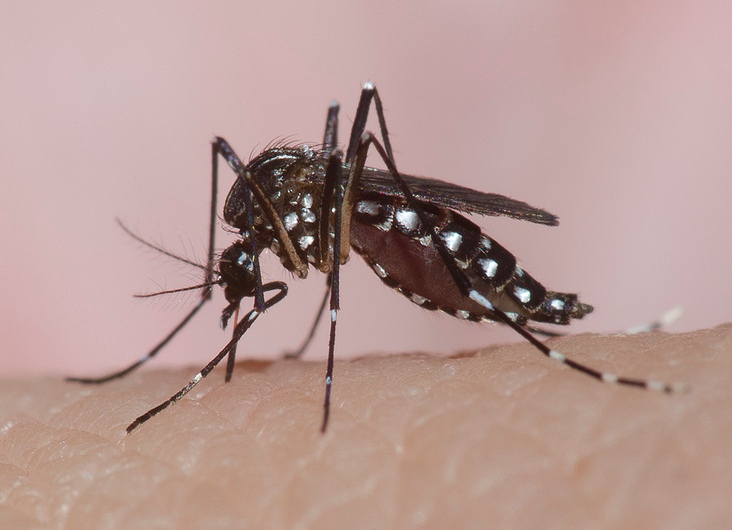
This is an acute viral haemorrhagic disease mainly found in humans
and monkeys which is spread by the day-biting Aedes mosquito.
It is mainly present in rural locations in Gambia but outbreaks
do occur in urban areas too.
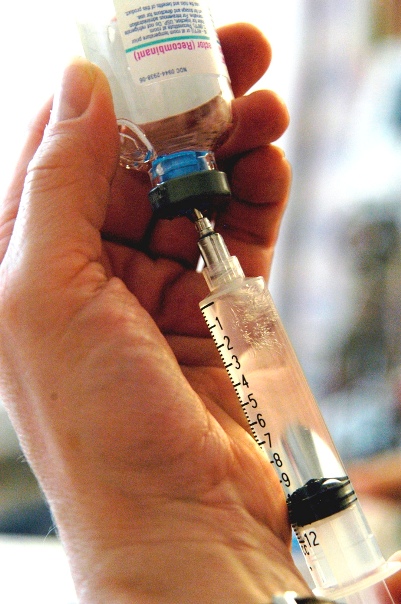
There is no specific treatment for yellow fever virus (YFV). Vaccination,
which confers immunity for 10 years, is highly recommended as
a preventive treatment for travellers to, and people living in,
endemic countries.
The first symptoms of yellow fever usually appear 3 to 6 days
after infection. The first phase is characterised by shivers,
muscle pain, nausea and vomiting, headache, fever and loss of
appetite. After 3 to 4 days, most sufferers improve and symptoms
go away. However, in a few patients, the disease enters a 'toxic'
phase, when fever comes back, and the patient develops jaundice
and sometimes bleeding, with blood showing up in the vomit. About
half of patients who go into the toxic phase die within 10 to14
days.
 Travel Advice | Food
& Drink Safety
Health Malaria
Prevention Safety
Travel Advice | Food
& Drink Safety
Health Malaria
Prevention Safety
 Travel
Insurance
Travel
Packing List Travel
Insurance
Travel
Packing List
Note carefully: Disclaimer
Always seek the advice of your medical doctor before deciding
to take or not to take any medications or health precautions.
The above information does not and is not intended to replace
or substitute the advice and / or recommendation from your doctor
or other authorised medical practitioner.
For more information see also:
WHO
- International Travel Health
|
|
|
|