Information:
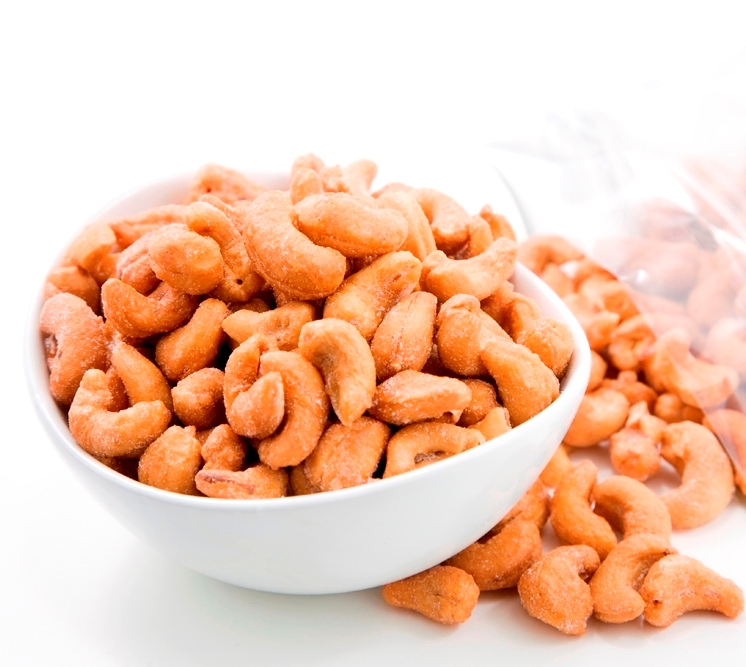
The cashew tree bears red or yellow fruit, which sports a raw
cashew nut encased in a greenish-grey shell. The fruit is edible
and ranges from sweet when ripe to a little bitter when picked
before its time.
 Many say it is an acquired taste, as all but the ripest surprisingly
suck the moisture from your mouth with each bite. A
wine
is sometimes made by pressing the fruit and fermenting the juice,
and Gambians claim that eating too many fruits can have the same
effect as the
wine.
Beware of the cashew juice—it leaves difficult to remove stains
on clothing. Undoubtedly, hundreds of ladies with trays of roasted
cashew nuts on balanced on their heads will beleaguer you to patronize
them wherever you go.
Many say it is an acquired taste, as all but the ripest surprisingly
suck the moisture from your mouth with each bite. A
wine
is sometimes made by pressing the fruit and fermenting the juice,
and Gambians claim that eating too many fruits can have the same
effect as the
wine.
Beware of the cashew juice—it leaves difficult to remove stains
on clothing. Undoubtedly, hundreds of ladies with trays of roasted
cashew nuts on balanced on their heads will beleaguer you to patronize
them wherever you go.
Because of its high value cashew
nut exporters in West Africa are increasingly exporting the
nuts to the European markets. It has become a popular cash crop
among poor rural farmers.
 If West African cashews seem expensive compared to groundnuts,
consider the fact that each and every nut must be roasted in its
oily shell, meticulously cracked open, and peeled from thin inner
skin before being ready for consumption. For this reason, never
pick a cashew from a tree without first consulting the owner—each
little fruit and accompanying nut is highly prized. Also, be aware
that the oily nut casing or the smoke from roasting them causes
some people to develop a rash similar to
poison ivy.
If West African cashews seem expensive compared to groundnuts,
consider the fact that each and every nut must be roasted in its
oily shell, meticulously cracked open, and peeled from thin inner
skin before being ready for consumption. For this reason, never
pick a cashew from a tree without first consulting the owner—each
little fruit and accompanying nut is highly prized. Also, be aware
that the oily nut casing or the smoke from roasting them causes
some people to develop a rash similar to
poison ivy.
Production: 3,000 metric tonnes per annum
|
|
|
|



 Agriculture Crops
Fruits
Agriculture Crops
Fruits