Baobab trees
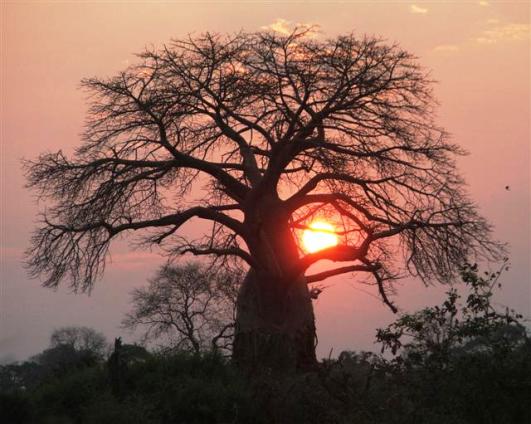
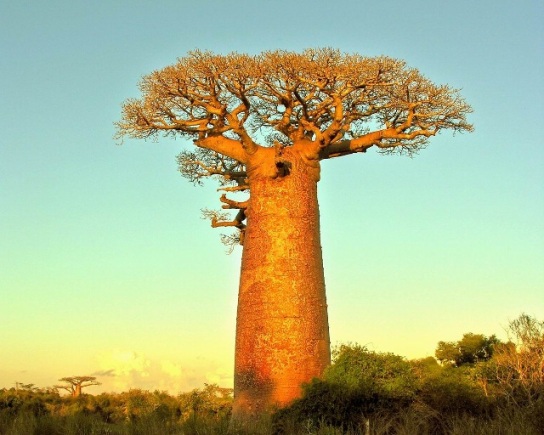
 are common symbols of Gambia. The tree is also known as the Monkey
bread tree, Ethiopian sour gourd, Cream of tartar tree, Senegal
calabash (fruit), upside-down tree. Very uniquely shaped,
with root-like branches a fat trunk specializing in water
storage and surviving bush fires, these trees can remain alive
for well over a thousand years.
are common symbols of Gambia. The tree is also known as the Monkey
bread tree, Ethiopian sour gourd, Cream of tartar tree, Senegal
calabash (fruit), upside-down tree. Very uniquely shaped,
with root-like branches a fat trunk specializing in water
storage and surviving bush fires, these trees can remain alive
for well over a thousand years.
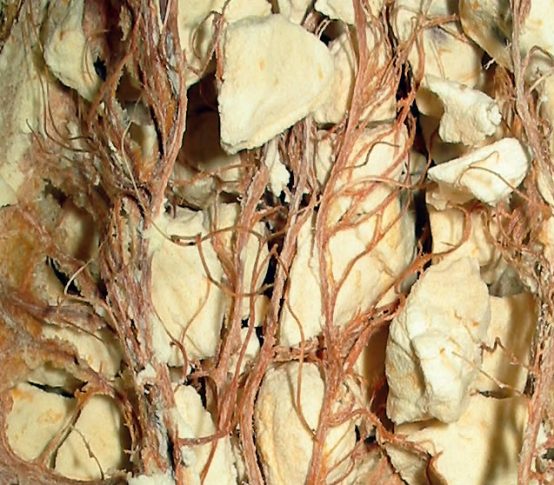
The Baobab fruit, dark green or brown on the outside when ripe,
is edible and commonly used in juices, ices, and porridge. Break
it open by pounding it against a hard object. The insides will
expose white fruit with black seeds that are slightly larger than
peas.
 It
is a soft fruit, ranging from a bit moist to dry and chalky, melting
in your mouth. For making tasty juice and ices, soak the fruit
in water for a few hours to separate it from the seeds and the
root-like veins. Mix the fruit in fresh water
with sugar and milk; freezing is optional. It
is a soft fruit, ranging from a bit moist to dry and chalky, melting
in your mouth. For making tasty juice and ices, soak the fruit
in water for a few hours to separate it from the seeds and the
root-like veins. Mix the fruit in fresh water
with sugar and milk; freezing is optional.
The history of known references to African baobab is well documented.
The Gambian baobab is a very long-lived tree with multipurpose
uses. It is thought that some trees are over 1000 years old. Since
it is not grown agriculturally nor is it properly domesticated,
there are no known varieties; earlier attempts to describe some
on the basis of fruit differences are not now accepted.
Uses of the Baobab Tree:
Improved nutrition through promotion of baobab requires attention being paid to local methods of processing e.g.
of leaf powders mixed with local alkaline rock salts, or careful
storage of dry the pulp. There are many NGOs involved with women
and nutrition that can take on this role.
requires attention being paid to local methods of processing e.g.
of leaf powders mixed with local alkaline rock salts, or careful
storage of dry the pulp. There are many NGOs involved with women
and nutrition that can take on this role.
Much of the enhanced use of baobab is low level knowledge dissemination.
For instance, to retain vitamin C in soft drinks
it is important not to boil the pulp but to add the powder to
previously boiled water. To retain high levels of pro-vitamin
A in dried leaves it is important to dry the leaves in the shade
and not in full sun. Also for storage it is recommended to store
dried whole leaves rather than leaf powder.
Wild trees are chosen with a desired quality and seedlings, occasionally
cuttings, are transplanted to fields near homes where they can
receive 'protection'. Leaf production is a major challenge due
to its seasonality. Production from protected trees does not meet
local needs, hence collecting from the wild. Irrigation can extend
the leaf production and the local black bark type responds well
to this.
Selection for seed production and use of seeds due to their advantages
in nutrition has not been a traditional practice. Also selection
of types with fruit pulp with higher
vitamin C content is now underway in Mali, but it remains to be
seen how this can be transferred through extension. Traditionally
leaf production can be increased through pollarding. It could
be that genotypes may be selected to increase leaf production
in trees in more remote areas. Also height of tree presents constraints
in gathering fruits and accidents are not at all uncommon. Grafting
presents an opportunity to reduce this risk.
Scientific name: Adansonia digitata
|
|
|
|



 Crops
Drinks
Fruits
Nature
Crops
Drinks
Fruits
Nature