Introduction:
 The
dress code for Gambia is very important so you should at least
take some tips below regarding acceptable types of clothing particularly
when out in public. The
dress code for Gambia is very important so you should at least
take some tips below regarding acceptable types of clothing particularly
when out in public.
Take along lightweight woollen jumpers or a jacket for the cool
evenings during the months of November to March. Although dress
in the beach hotels is very informal,
ladies should avoid wearing bikinis or going out topless outside
the grounds of the hotels or beaches.
 Tourist Advice:
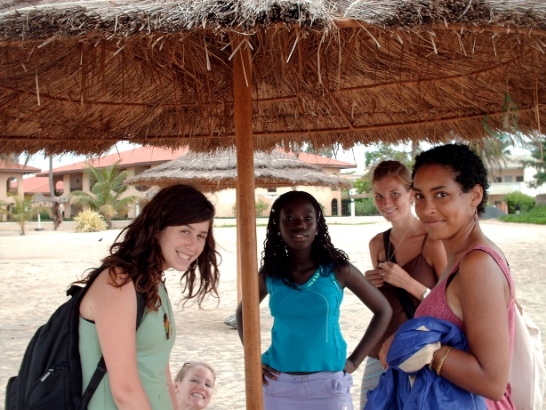
A modest dress code is advised in all public places and you should
preferably at least wear a sarong or other wrap that comes down
to your knees and cover your top half at least up to the elbows
though there is no need to cover you head. In the hotels' resorts
and beaches you can wear a bikini
as this is acceptable but not out and about in public. Gambia
is predominantly a Muslim country.
One interesting point of note is
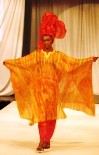 that
whereas European men find the exposure of the female breasts provocative
it is much less so in Gambia. That doesn't mean to say women walk
around topless though it is not uncommon to see a topless woman
working uncovered in a village setting for example. Therefore
topless sunbathing isn't seen as such a big deal. Thighs however,
are provocative to Gambian males so do cover down to you knees
at least when in public. that
whereas European men find the exposure of the female breasts provocative
it is much less so in Gambia. That doesn't mean to say women walk
around topless though it is not uncommon to see a topless woman
working uncovered in a village setting for example. Therefore
topless sunbathing isn't seen as such a big deal. Thighs however,
are provocative to Gambian males so do cover down to you knees
at least when in public.
As an overseas tourist, its best to be more conservative than
you would at home in the summer time.
Men should refrain from walking the streets bare-chested, as men
going around half-naked are mostly thought mentally disturbed.
As general rule for females, the more you reveal, the more (unwanted)
attention you'll receive; it's best to wear skirts or Capri /
pants as a second option that extend to the knee or below, except
when exercising or at the beach. Above the waist, use conservative
judgment, and observe the how Gambian women wear Western clothing.
For example it is rare to see Gambians in spaghetti straps.
Traditional Dress Code:
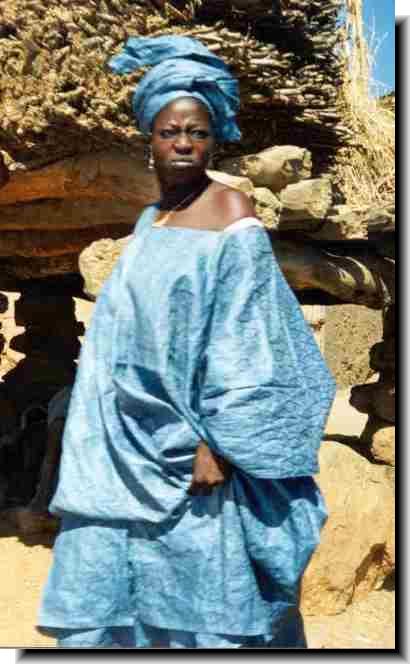
 The
traditional kind of clothing for Gambian women and men tends to
be long and free flowing clothes. For women they tend to wear
clothes down to their feet as well as up to their wrists. This
is called a grandmuba which comes with an under garment
called a malan which is a couple of metres of cloth which is wrapped
around the waist as an underskirt. The
traditional kind of clothing for Gambian women and men tends to
be long and free flowing clothes. For women they tend to wear
clothes down to their feet as well as up to their wrists. This
is called a grandmuba which comes with an under garment
called a malan which is a couple of metres of cloth which is wrapped
around the waist as an underskirt.
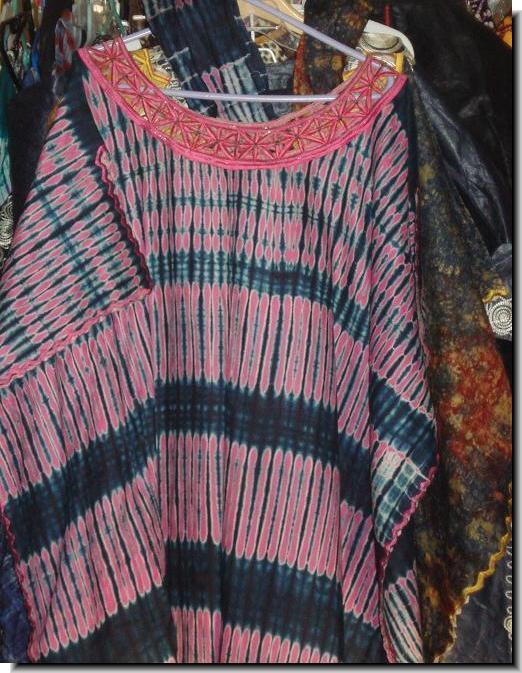
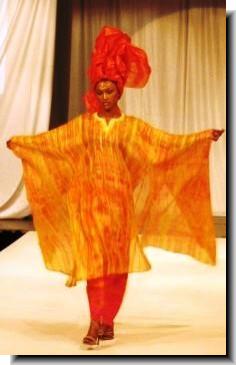
Such traditional apparel tends to come in a multitude of vivid
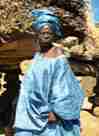 colours,
waxes and designs. The essential point is that such clothing should
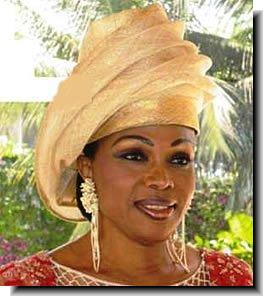
cover most parts of your body except for the hands and feet. Ladies
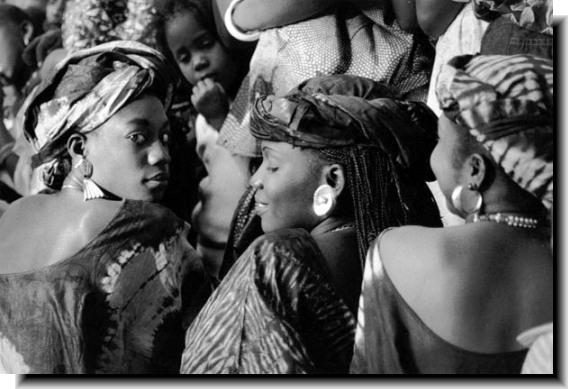
should cover their heads with a headdress called a musorr or Tiko.
African women in the homes, doing chores or cooking,
often wear a combination of Western and Africa styles, with T-shirts
or other blouse plus a wrapper. colours,
waxes and designs. The essential point is that such clothing should
cover most parts of your body except for the hands and feet. Ladies
should cover their heads with a headdress called a musorr or Tiko.
African women in the homes, doing chores or cooking,
often wear a combination of Western and Africa styles, with T-shirts
or other blouse plus a wrapper.
When out in public, women are more often seen in traditional garb
(blouse and skirt from often brightly coloured fabric, plus head
wraps) than in Western wear, though many businesswomen will wear
Western-style dresses with an African flare. As with men,
 young
women and girls are seen in American-style clothing more often
than the older ladies do. For special occasions, such as weddings
or naming ceremonies, both
men and women usually abandon the plain cotton and opt for African
clothing made from beautifully coloured and embroidered fabric,
sometimes interwoven with strands of glimmering threads. young
women and girls are seen in American-style clothing more often
than the older ladies do. For special occasions, such as weddings
or naming ceremonies, both
men and women usually abandon the plain cotton and opt for African
clothing made from beautifully coloured and embroidered fabric,
sometimes interwoven with strands of glimmering threads.
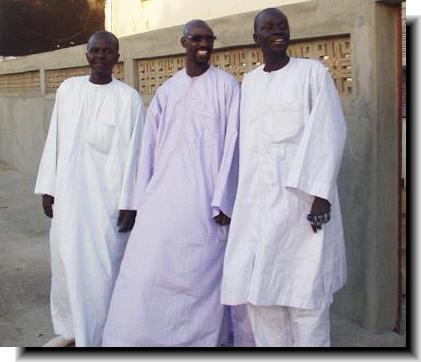
Keeping in line with the Muslim faith many men tend to wear the Kaftan (pronounced Haftan) which is worn in a very similar
way to the grandmuba. It is a full-dress, ankle-length, long-sleeve
clothing which is also known as the fataro, jalabe or shabado.
A variation of this is the 3 piece suit called nyeti abdu which
comes with trousers called a chaya or the waramba. Such dress
for men is very often embroidered in elaborate gold coloured thread
on the chest area and sometimes the end of the sleeves and back
area. This male attire is topped off with a skull cap which is
also usually embroidered in elaborate designs along the rim.
wear the Kaftan (pronounced Haftan) which is worn in a very similar
way to the grandmuba. It is a full-dress, ankle-length, long-sleeve
clothing which is also known as the fataro, jalabe or shabado.
A variation of this is the 3 piece suit called nyeti abdu which
comes with trousers called a chaya or the waramba. Such dress
for men is very often embroidered in elaborate gold coloured thread
on the chest area and sometimes the end of the sleeves and back
area. This male attire is topped off with a skull cap which is
also usually embroidered in elaborate designs along the rim.
African men are most often seen in Western-style clothing, especially
the younger crowd, but there are some that always wear African
style clothing of pants with matching, lengthy top, called a Haftan.
Many males wear a Haftan or waramba (a more loose-fitting robe)
on Fridays, dressing up for the customary visit to the mosque.
One of the most notable things about men’s fashion is the colour
of the clothing. While few American males would feel comfortable
in magenta or baby violet, clothing for men is perfectly acceptable
in any colour in The Gambia, pastels and all shades of pink not
withstanding. Before such clothing can be worn it is usually waxed
and beaten with wooden mallets to create a stiff shiny cloth.
Schoolchildren wear uniforms to classes, whether they receive
a private or public education—girls in dresses and boys in shirt
and shorts, both with the name of their school featured on a breast
pocket.
Hair:

 Hairstyles
come in a large variety of styles and patterns and is akin to
a work of art. The styles come by the names jerreh, duni-bally,
armandija, berti and so on. Traditional hairstyles of the Jola
tend to include beads and other jewellery tied into the hair itself.
Hair extensions are de rigueur for most young women who will often
be seen without any headdress. Rasta and straight hair extensions
are the most popular among women and can be found for sale in
cosmetic shops, by street hawkers and in some tailor's shops. Hairstyles
come in a large variety of styles and patterns and is akin to
a work of art. The styles come by the names jerreh, duni-bally,
armandija, berti and so on. Traditional hairstyles of the Jola
tend to include beads and other jewellery tied into the hair itself.
Hair extensions are de rigueur for most young women who will often
be seen without any headdress. Rasta and straight hair extensions
are the most popular among women and can be found for sale in
cosmetic shops, by street hawkers and in some tailor's shops. |
|


 Culture & Traditions Food
Etiquette Greetings Photos
Etiquette
Culture & Traditions Food
Etiquette Greetings Photos
Etiquette