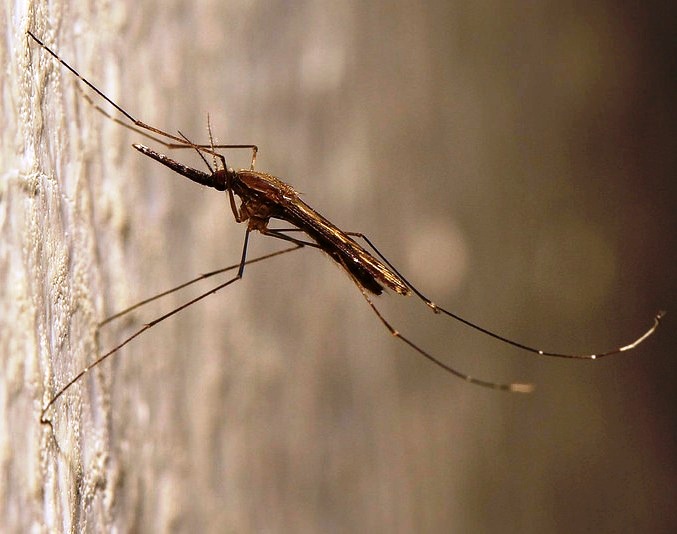
Introduction:
Before visiting The Gambia you are strongly recommended to take
anti-malaria medications as a preventative step against the mosquito
transmitted disease, Plasmodium Falciparum parasite, which is
normally passed to humans by the female Anopheles mosquito.
Anti-Malaria Medications:
 The
usual anti-malarial medicines to be prescribed are
the prophylactics Doxycycline, Malarone® (atovaquone proguanil),
Lariam® (mefloquine). P. Falciparum has shown Nivaquin® (chloroquine)
resistance to treatment and is no longer recommended as an effective
prevention. There has been heated debate and controversy about
the possible side-effects of the Lariam® / mefloquine tablets.
UK travellers should check with their local NHS GP, before departing
on holiday, as you will almost
certainly be prescribed anti-malaria medicines. The
usual anti-malarial medicines to be prescribed are
the prophylactics Doxycycline, Malarone® (atovaquone proguanil),
Lariam® (mefloquine). P. Falciparum has shown Nivaquin® (chloroquine)
resistance to treatment and is no longer recommended as an effective
prevention. There has been heated debate and controversy about
the possible side-effects of the Lariam® / mefloquine tablets.
UK travellers should check with their local NHS GP, before departing
on holiday, as you will almost
certainly be prescribed anti-malaria medicines.
However, Malarone is considered a better alternative with minimal
side-effects, and with the added bonus that it can be taken 1
day before you depart. Having said all this you should consult
your doctor, as he or she is in the best position to advise you
on the best course of pills you should be taking.
Malaria Symptoms:
These usually appear 7 to 15 days after infection, and include
headaches, fever, shivering, vomiting, nausea, and flu-like symptoms.
They are varied because it all depends on the type of Plasmodium
parasite that caused the malaria. That's why if you have any of
the above symptoms or ailments while in Gambia, or on your return
home, you must see a doctor at a clinic for a test. If left
untreated it can stay with you for a very long time indeed.
Other Preventative Measures & Protection:
 None of the medications above are 100% effective so it is also
advised that you do take the following additional measures.
None of the medications above are 100% effective so it is also
advised that you do take the following additional measures.
• Bring along mosquito repellent such as DEET cream or spray which
can be rubbed on your arms and legs.

This should be done just before dusk, or if you are venturing
into the bush during the day. The other item is to use insect
spray, which is locally available, such as Bop or Baygon. When
spraying do so behind cupboards, under beds and in other shaded
areas.
• Use bed netting where the accommodation
does not have an insect screen on their widows. This is particularly
necessary when staying in basic lodgings further up-country
or at camps by the River Gambia.
• There are special mosquito coils called Moon Tiger available
in local shops. These are ideal
to take along when eating in open-air restaurants,
as you would place them under the table and it keeps many bugs
at bay. Do not light coils in any room as they can be a fire hazard.
• Because Anopheles mosquitoes are most active at night and dusk,
always close your main door at sunset to stop them entering your
sleeping area.
• Sleep using a fan. Because the insects are very light in weight
they cannot get a foothold because of the constant air-flow.
• For people permanently resident in the country here are a list
of tropical Plants that repel mosquitoes: Citronella, Basil (Amiaceae),
L. cheraliera.
Other Tips:
1) Remove all standing water in your garden.
2) Cut grassy areas short.
3) Remove dead and decaying leaves.
Inside Knowledge:
The following information is about the geographic local prevalence
as well as the time of the year when the mosquito is most numerous.
Remember, it is not the humble mosquito that suffers from malaria,
it is humans. The insect merely takes the parasite from one person
to another. The following is just a rough guide.
•The
insects (known locally as 'yorr') are most numerous during the
rainy season which is from mid-June to mid-October.
•The female of the species feeds on
plant sap and human blood, when pregnant, so you will find plenty
in lush tropical gardens as well as by mangrove creeks and woodland.
•As has been mentioned they are mostly active at night time and
sunset. Though you can still be bitten in the daytime especially
in shaded, green areas of foliage. This all depends on which one
of the various mosquito species are around, some of which are
known to be carriers of the parasite. One of which is known as
Anopheles Gambiae.
Malaria Treatment:
Should you find yourself suspecting you might have contracted
the disease then see your tour representative and ask to see a
doctor immediately.
If you are an independent traveller try and see a medical practitioner
as soon as possible. Failing this then you should get tested at
either the Jobot Laboratories on Kairaba Avenue (open till 9pm)
or Lamtoro Medical Centre at Kololi. You can find their contact
details under private
clinics and various diagnostic
labs. If they are closed then you have to decide for yourself
whether to take curative treatment, which is usually available
at many of the Kombo's pharmacies.
Based on the findings of a workshop on the anti-malaria treatment
policy in Ethiopia, held in May 2004 in Addis Ababa, the WHO has
suggested the need to change to the use of the ACT
drug, artemether-lumefantrine
for the treatment of uncomplicated malaria.
Note
carefully:
Always get the advice of your medical doctor or properly authorised
medical personnel before deciding to take or not to take any medications
or precautions. The above is not meant to be a substitute for
their recommendations or otherwise.
|
|
|



 Travel
& Tourism Travel
Advice Health
Vaccinations
Travel
& Tourism Travel
Advice Health
Vaccinations