Wildlife:
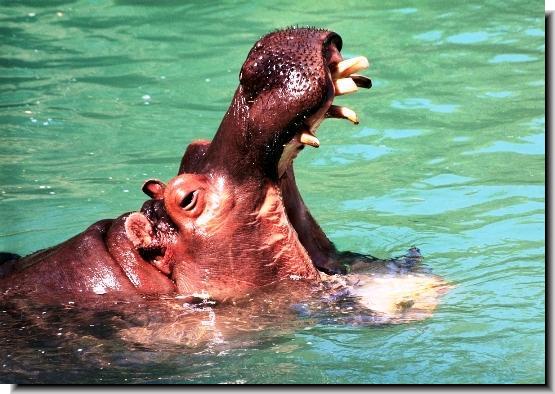
 Though most large game animals such as elephants have been hunted
to extinction a long time ago hippos can be found in the protected
area of the River Gambia National
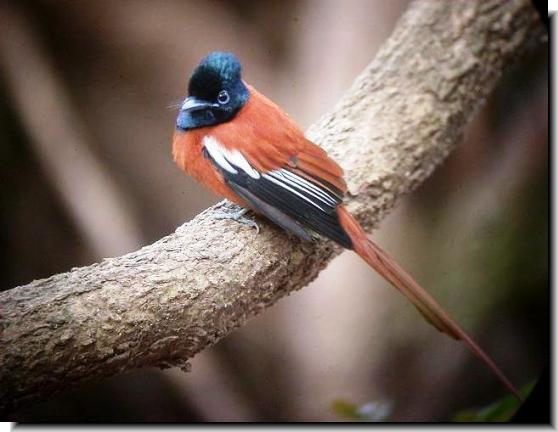
Park. The country has a diverse bird population which is unusual
for its size. Over 560 species of birds
have been recorded in this tiny West African state. The mammals
which are most often seen are baboons and monkeys. The species
of monkey to be found are the western red colobus, patas and the
callithrix.
Though most large game animals such as elephants have been hunted
to extinction a long time ago hippos can be found in the protected
area of the River Gambia National
Park. The country has a diverse bird population which is unusual
for its size. Over 560 species of birds
have been recorded in this tiny West African state. The mammals
which are most often seen are baboons and monkeys. The species
of monkey to be found are the western red colobus, patas and the
callithrix.
There are also small antelopes such as the Maxwell's duiker, sitatunga
and bushbucks.
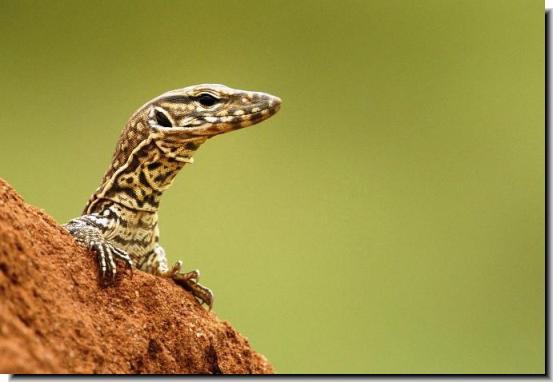
 Among the animals to be found in Gambia include aardvarks, hyena,
Nile crocodiles, warthogs, bushpigs, monitor lizards, chameleons,
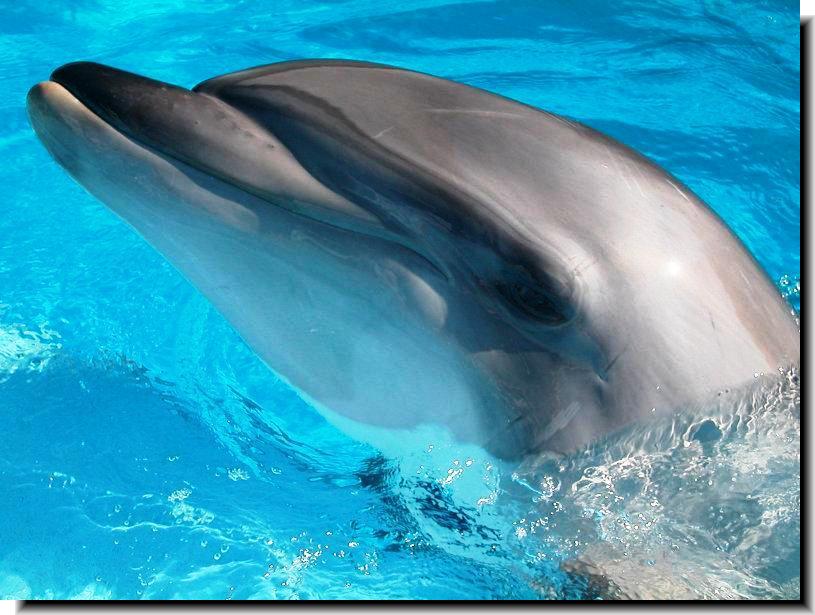
geckos, puff adders, spitting cobras and green mambas. Bottle
nose dolphins can be seen near the entrance to the river
from the Atlantic Ocean.
Among the animals to be found in Gambia include aardvarks, hyena,
Nile crocodiles, warthogs, bushpigs, monitor lizards, chameleons,
geckos, puff adders, spitting cobras and green mambas. Bottle
nose dolphins can be seen near the entrance to the river
from the Atlantic Ocean.
The biodiversity of Gambian animals forms an important component
of the country’s biological assets from both economic and ecological
points. Recent field studies of wildlife species report 117 species of mammals, 30 species of amphibians and 47 species of reptiles
making a total of 194 species of wild animals in Gambia. Over
five hundred and fifty species of birds
have been recorded as of 2006. There are 6 wildlife Protected
Areas (WPAs), occupying a total land area of 3.5% or 37,772 of
the total land area of The Gambia. Wetlands, which include marine,
inland waters, coastal, seasonal
fresh water ponds, mangroves and marsh areas are distributed countrywide
and make up around 20% of the total land area.
Bao Bolong wetland reserve,
the biggest protected area and the first Ramsar site measures
approximately 22,000 ha.
of mammals, 30 species of amphibians and 47 species of reptiles
making a total of 194 species of wild animals in Gambia. Over
five hundred and fifty species of birds
have been recorded as of 2006. There are 6 wildlife Protected
Areas (WPAs), occupying a total land area of 3.5% or 37,772 of
the total land area of The Gambia. Wetlands, which include marine,
inland waters, coastal, seasonal
fresh water ponds, mangroves and marsh areas are distributed countrywide
and make up around 20% of the total land area.
Bao Bolong wetland reserve,
the biggest protected area and the first Ramsar site measures
approximately 22,000 ha.
The elephant, which used to be the country’s national emblem,
was last spotted and shot back in 1913. The record trophy of the
Giant Eland was shot in 1903.
The buffoon kob which used to be a common species in The Gambia
has long since become extinct, together with other species like
the backed duiker, lion, red river hog, korrigum and
the topi. The West African Manatee and the Sitatunga are in danger
of extinction.
There are 117 species of mammals, 30 species of amphibians and
47 species of reptiles making a total of 194 species of
wild animals in The Gambia. However, these figures are mainly
estimates and the true numbers might be higher if more thorough
investigations are taken.
However, like all other natural resources, certain fish species
are threatened as a result of unsound human exploitation strategies,
such species include the lobster (palinurus spp shark, (catfish
arius heudeloti) and the white grouper (Epinephelus aetheus) to
name but a few.
The Gambia is endowed with a rich avifauna estimated at 1 bird
species every 21.0 km2. It has no epidemics and only 2 species
- the puff-back shrike (Dryoscopus gambensis) and spur winged
Goose (plectropterus gambensis) bear its specific epithet.
The components of biodiversity are ecosystem, species and genetic
diversity. From the point of view of The Gambia, biodiversity
is not restricted to the wild fauna and flora and associated ecosystems
but, it embraces the rich of biological diversity found in our
domestic species. This includes varieties of
crops and domestic animals that have been bred and developed
for thousands of years by farmers engaged in agriculture.
About 100 years ago water buck, kob, and hartebeest occasionally
in their season could be observed in Gambia. The smaller antelopes
have not significantly decreased in numbers during this period
probably due to the size of the human population.
There were always a few leopards living in Gambia, but they were
rarely killed and hyenas in certain locations became very bold
and more troublesome, frequently killing cattle quite close to
settlements. However, this apparent stable and healthy wild animal
populations status was not a recipe for inaction.
However, legal measures regulating the management and exploitation
of wild animals were put in place.
Specifically, regulations were made under section III of "The
wild animal, Birds & Fish Preservation Ordinance" 1901.
Mammals:
Camelopardalis Peratta, Hippopotamus Amphibious, Congo Buffalo,
Senegambian Buffalo, Red River Hog, West African Eland, West African
Hartebeest, Korrigum Hartebeest, Red Flanked Duiker, Maxwell’s
Duiker, Growned Duiker, Gambian Oribi, Waterbuck, Buffoons Kob,
Nagor Reedbok, Roan antelope, West African Sitatunga, Worthog.
The bubal hartebeest, Roan Antelope, and the water-buck
are currently rare visitors from neighboring Senegal. Unfortunately,
whenever any of these animals cross into The Gambia, local hunters
pursue them until they are either forced to move back or shot.
Out of the 117 species of animals known to have existed in The
Gambia about 13 have become extinct, and a similar number is threatened
with extinction.
 Birds: Birds:
Stork, Egrets, Bustards, Francolins (Bush fowls) Grouse, Quail
and Crown Birds (Crested Cranes), Guinea Fowls.
Marabou storks are protected by native customs in the neighbourhood
of all Muslim towns and villages, and it is in trees standing
in the town in which they nest in the Gambia. Storks are also
protected during the breeding season or rather during the rains.
 One
rare bird which is much sought after by poachers for its skin
is the Golden Cuckoo of Foni and other forest areas. The rising
human population mixed with local
food production practices, have led to the loss of a large part
of The Gambia's forest cover as well
as animal wildlife. One
rare bird which is much sought after by poachers for its skin
is the Golden Cuckoo of Foni and other forest areas. The rising
human population mixed with local
food production practices, have led to the loss of a large part
of The Gambia's forest cover as well
as animal wildlife.
|
|
|
|


 Geography
& Nature Nature
Reserves Banjul
Declaration
Geography
& Nature Nature
Reserves Banjul
Declaration  Photos of Wildlife