INTRODUCTION:
 Abuko Nature Reserve,
Africa, was the Gambia's first reserve
and is located in the Western Region (WR), (geographical coordinates:
13.41°N, 16.65°W). Part of it was accorded a form of 'protected
status' back in 1916 when the source of the Lamin (Bolon)
Stream was fenced to form a water collection point.
Abuko Nature Reserve,
Africa, was the Gambia's first reserve
and is located in the Western Region (WR), (geographical coordinates:
13.41°N, 16.65°W). Part of it was accorded a form of 'protected
status' back in 1916 when the source of the Lamin (Bolon)
Stream was fenced to form a water collection point.
 In
1967 a local Gambian man called Kalilu requested the then acting
wildlife officer, Eddie Brewer (OBE),
to shoot a leopard that had been killing their pigs which had
been feeding there illegally. When he visited the spot with his
daughter, Stella, they saw an amazing richness of Gambian wildlife
and flora and realised the conservation importance of the stream
running through Abuko. They made a request to the government to
protect it which was promptly approved when it was officially
declared a nature reserve
in March 1968. In
1967 a local Gambian man called Kalilu requested the then acting
wildlife officer, Eddie Brewer (OBE),
to shoot a leopard that had been killing their pigs which had
been feeding there illegally. When he visited the spot with his
daughter, Stella, they saw an amazing richness of Gambian wildlife
and flora and realised the conservation importance of the stream
running through Abuko. They made a request to the government to
protect it which was promptly approved when it was officially
declared a nature reserve
in March 1968.
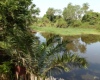 Abuko's
size was extended from 188 to 259 acres in 1978 and enclosed in
a 2.5 metre fence with the help of the WWF. It is among six protected
wildlife management parks and covers an area of 105 hectares (roughly
2 sq. km). The park is rectangular
in shape with a surrounding narrow strip around its boundaries
acting as an extra buffer zone. Later in its development 2,000
malina trees were planted to act as an extra barrier against encroachment
by locals. Abuko's
size was extended from 188 to 259 acres in 1978 and enclosed in
a 2.5 metre fence with the help of the WWF. It is among six protected
wildlife management parks and covers an area of 105 hectares (roughly
2 sq. km). The park is rectangular
in shape with a surrounding narrow strip around its boundaries
acting as an extra buffer zone. Later in its development 2,000
malina trees were planted to act as an extra barrier against encroachment
by locals.
Today, Abuko is the Gambia's most visited tourist attraction
receiving approximately 33,000 visitors per year. One interesting
fact is that it is the nearest tropical forest to Europe.
HABITATS:
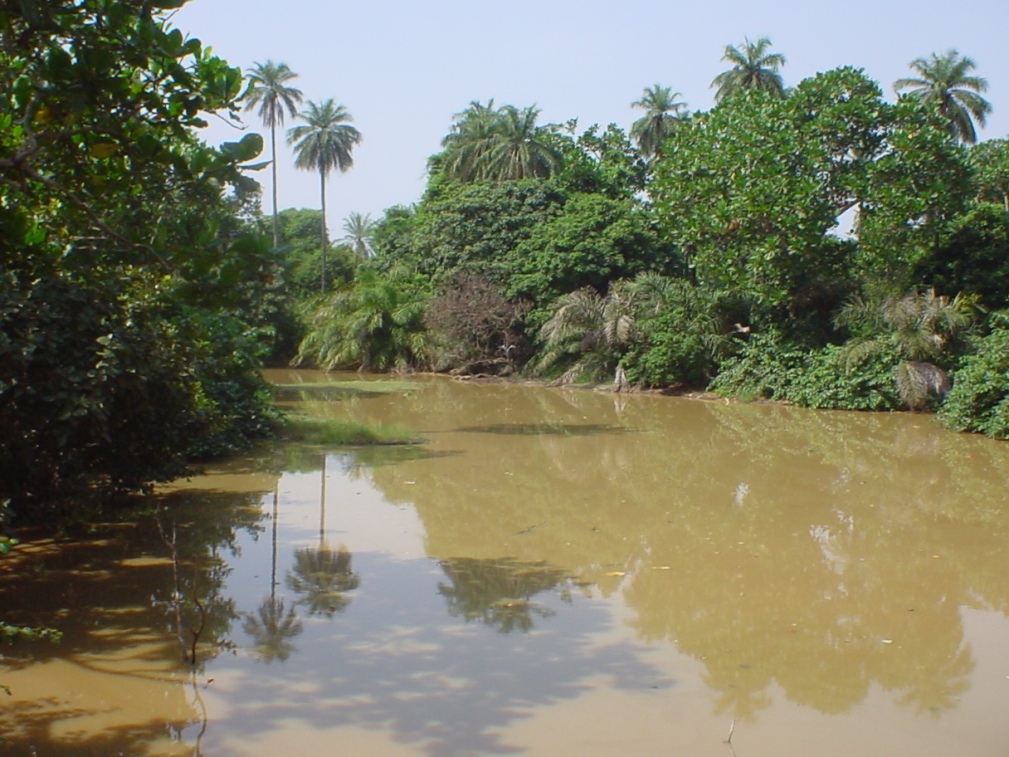
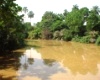 The
evergreen forest gallery follows the course of the Lamin Stream
and covers approximately 1/3 its total area. Efforts are being
concentrated on maintaining the crooked bush trails, bird photo
hides, the animal orphanage as well as the boundary to prevent
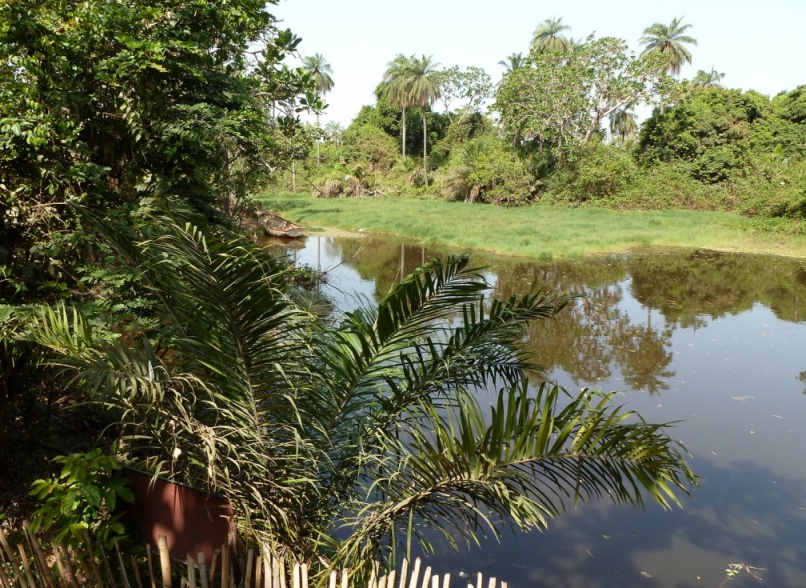
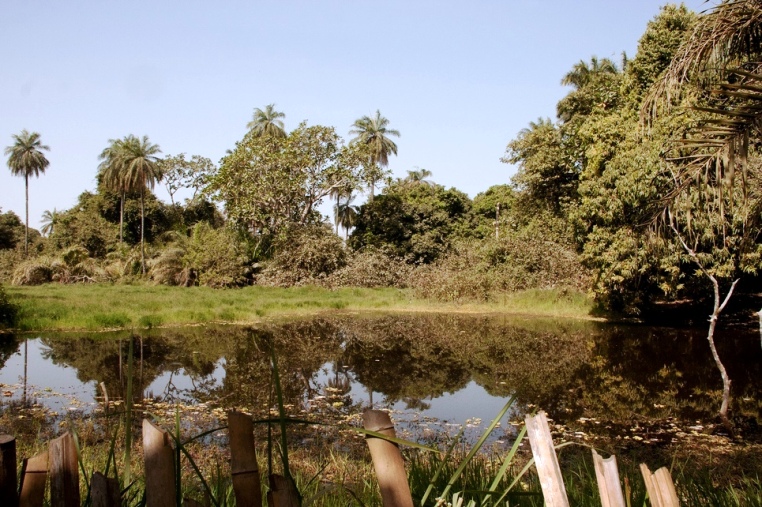
encroachment by people and cattle. There are a number of small
pools at the bottom end or the reserve with the biggest being
called the Bamboo Pool. In and around the freshwater pond
is the ideal location to spot crocodiles and birds. Its
location is within easy reach by taxi
from any of the main coastal holiday resorts.
It is an ideal first stop for birdwatchers
and animal enthusiasts as well as tourist in general. There are
designated guides on site to help you locate animals and birds
while on the forest trail and a tip is always appreciated though
not mandatory. The
evergreen forest gallery follows the course of the Lamin Stream
and covers approximately 1/3 its total area. Efforts are being
concentrated on maintaining the crooked bush trails, bird photo
hides, the animal orphanage as well as the boundary to prevent
encroachment by people and cattle. There are a number of small
pools at the bottom end or the reserve with the biggest being
called the Bamboo Pool. In and around the freshwater pond
is the ideal location to spot crocodiles and birds. Its
location is within easy reach by taxi
from any of the main coastal holiday resorts.
It is an ideal first stop for birdwatchers
and animal enthusiasts as well as tourist in general. There are
designated guides on site to help you locate animals and birds
while on the forest trail and a tip is always appreciated though
not mandatory.
PARK MANAGEMENT:
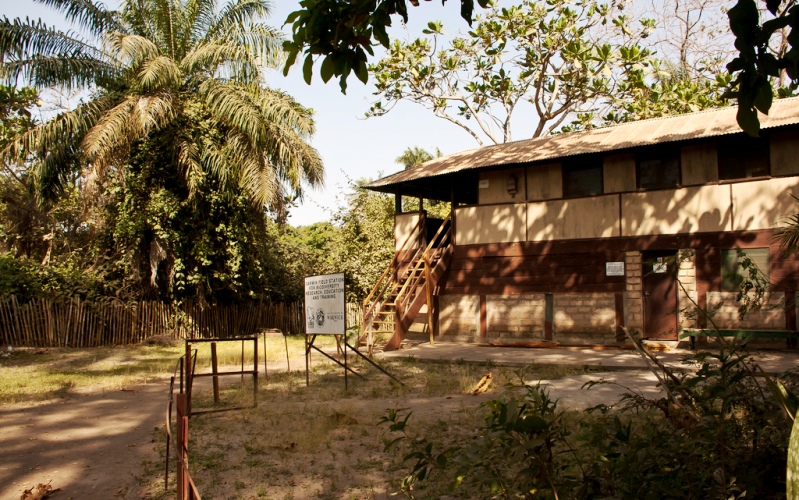
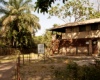 The
conservation of the animals and plants is managed by the Department
of Parks and Wildlife Management who are based at the Darwin
Field Station for Biodiversity. There main aim is to protect
the location and prevent species extinction and helps to fund
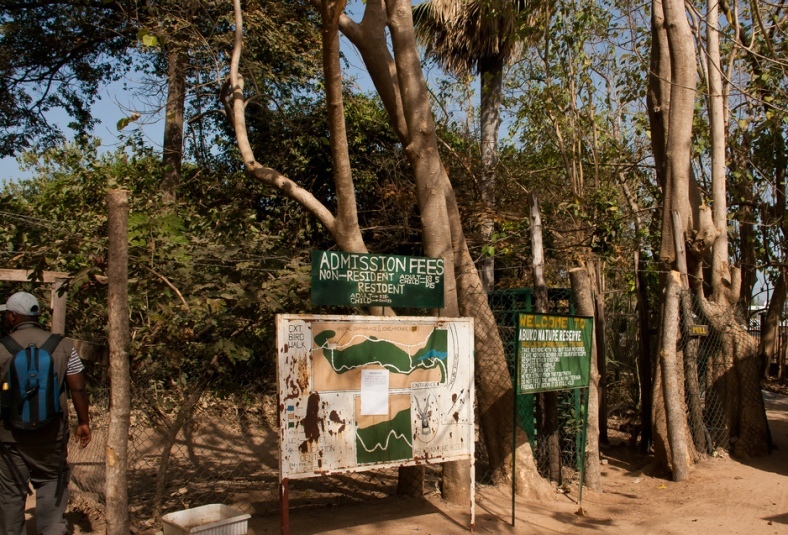
its activities by charging day trippers an entrance fee. The
conservation of the animals and plants is managed by the Department
of Parks and Wildlife Management who are based at the Darwin
Field Station for Biodiversity. There main aim is to protect
the location and prevent species extinction and helps to fund
its activities by charging day trippers an entrance fee.
FLORA:
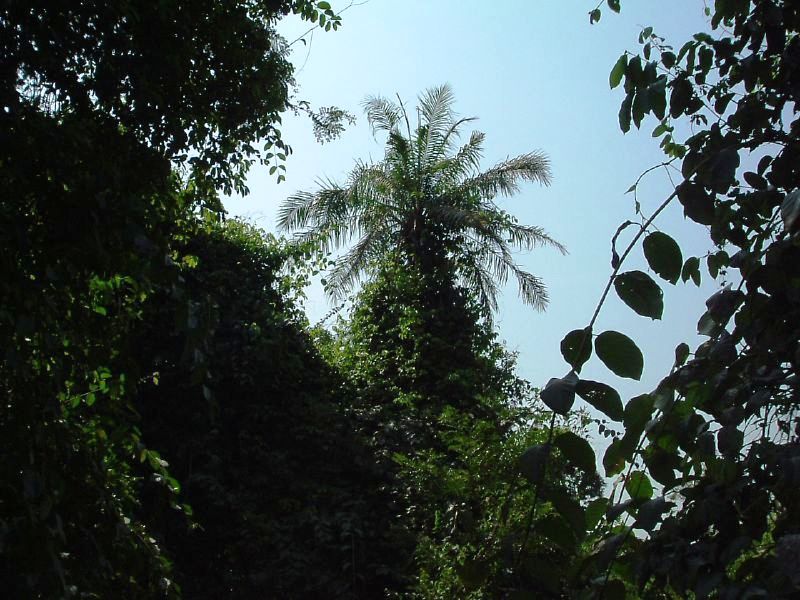
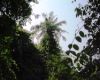 Fifty
types of mature tropical trees have been recorded in the protected
area. Abuko's main geographic features are several kinds of habitat
starting with thick tropical canopy which after 50 to 100m from
the stream gives way to Guinean savanna. Probably due to increased
borehole water removal the natural habitat has seen the gradual
disappearance of mature tropical trees of which the most obvious
is the A. Procera and the E. Guineensis. For non experts the trees
are labelled. Fifty
types of mature tropical trees have been recorded in the protected
area. Abuko's main geographic features are several kinds of habitat
starting with thick tropical canopy which after 50 to 100m from
the stream gives way to Guinean savanna. Probably due to increased
borehole water removal the natural habitat has seen the gradual
disappearance of mature tropical trees of which the most obvious
is the A. Procera and the E. Guineensis. For non experts the trees
are labelled.

AVI FAUNA:
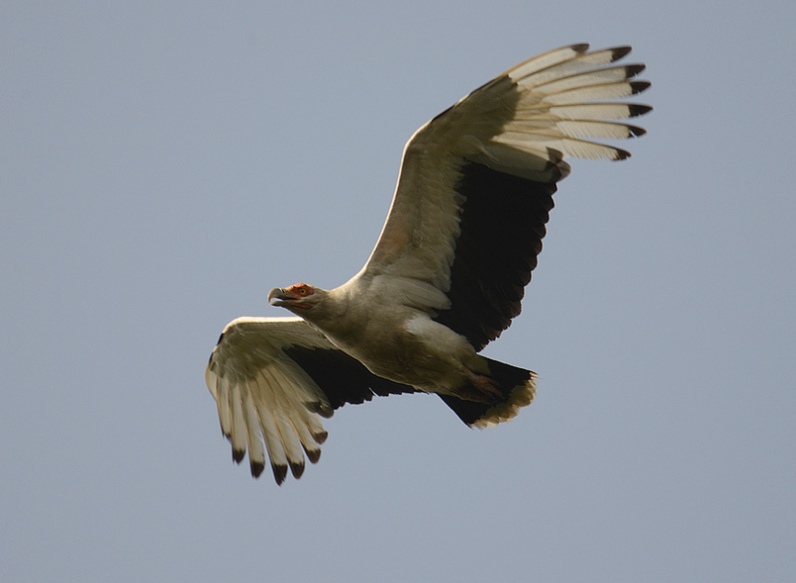
 It
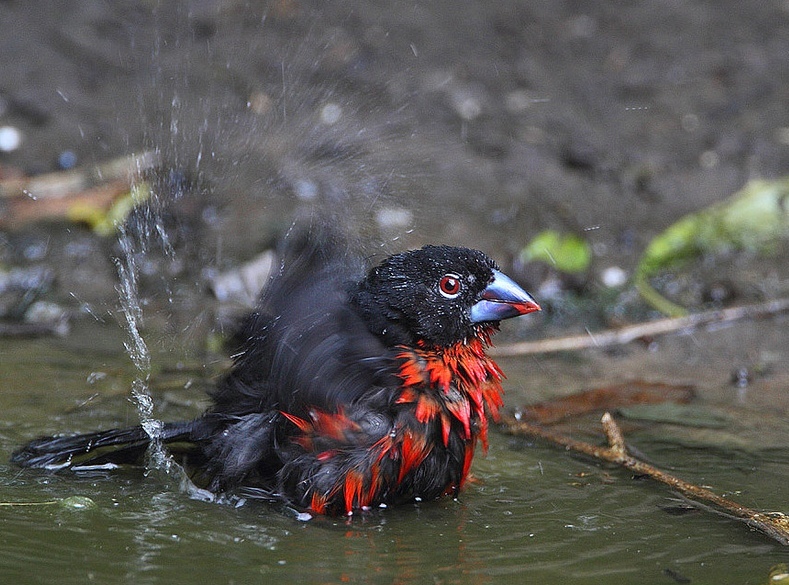
has been estimated that there are over 290 bird species living
within the forest gallery. Among the birds are Pied Kingfishers,
African paradise flycatcher, Willow Warblers, waxbills, western
bluebill , manikins, doves, lily trotters, giant kingfisher C.
maxima, palm nut vultures, hammerkop Scopus umbretta, Ceryle rudis,
grey headed bristle bill, white crowned robin chat, grey backed
camaroptera, lanner falcon, pygmy kingfisher, violet turacoes,
African thrush, fork tailed drongo, black Herons, squacco heron,
oriole warbler, Black crake, red bellied fly catchers, little
greenbul, yellow breasted apalis, cattle egrets, Abyssinian
roller, purple glossy starling & the Green Touraco. It
has been estimated that there are over 290 bird species living
within the forest gallery. Among the birds are Pied Kingfishers,
African paradise flycatcher, Willow Warblers, waxbills, western
bluebill , manikins, doves, lily trotters, giant kingfisher C.
maxima, palm nut vultures, hammerkop Scopus umbretta, Ceryle rudis,
grey headed bristle bill, white crowned robin chat, grey backed
camaroptera, lanner falcon, pygmy kingfisher, violet turacoes,
African thrush, fork tailed drongo, black Herons, squacco heron,
oriole warbler, Black crake, red bellied fly catchers, little
greenbul, yellow breasted apalis, cattle egrets, Abyssinian
roller, purple glossy starling & the Green Touraco.
FAUNA:
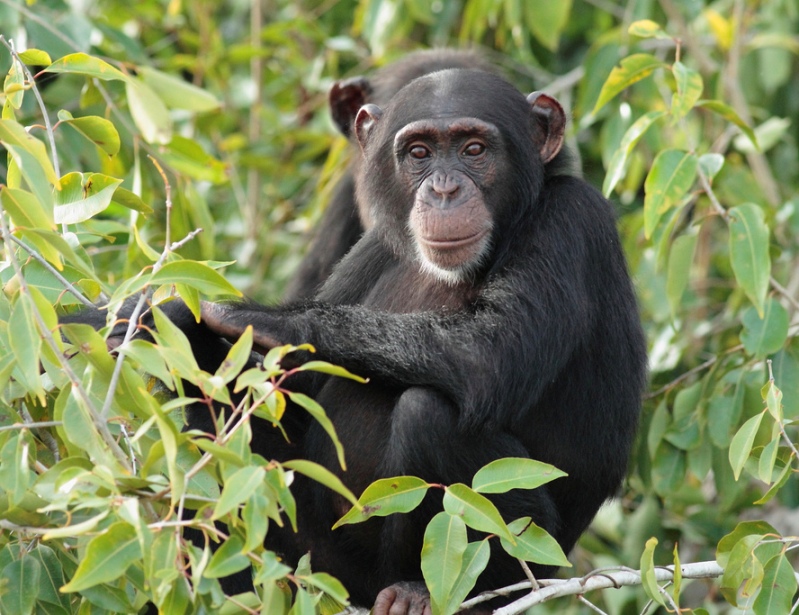
 There
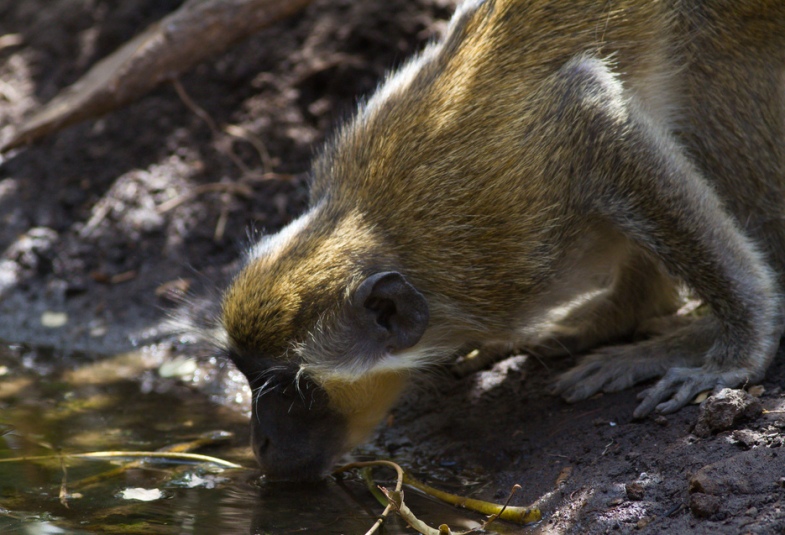
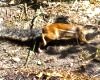
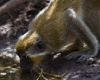
are 4 primate species: Vervet monkey, Red Colobus monkey, red
Patas and Bush Babies. The other mammalian types include the
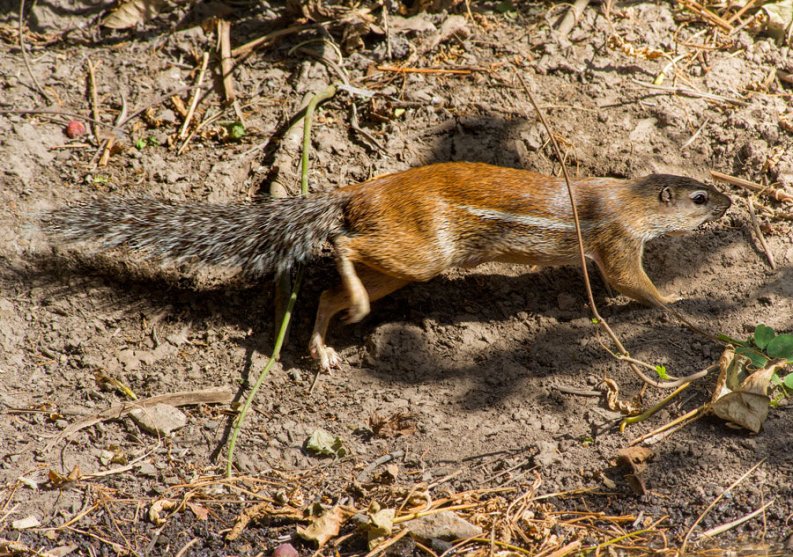
Grimms Duiker, Ground Squirrel, Savannah Antelopes, Bushbuck Colobus
badius, Tragelaphus, Brush Tailed Porcupine, Viverra civetta,
sitatunga T. spekei, Erythrocebus patas, Mungos gambianus, serval
Felis, Heliosciurus gambianus, Thryonomys swinderianus, Galago
senegalensis, Actophilornis Africana, Tauraco Persa, Gastropyxis
smaragdina Crocodylus niloticus, Xerus erythropus, Cercopithecus
aethiops, Palm civet Nandinia binotata and several types of rodent
including the Cane Rat. There
are 4 primate species: Vervet monkey, Red Colobus monkey, red
Patas and Bush Babies. The other mammalian types include the
Grimms Duiker, Ground Squirrel, Savannah Antelopes, Bushbuck Colobus
badius, Tragelaphus, Brush Tailed Porcupine, Viverra civetta,
sitatunga T. spekei, Erythrocebus patas, Mungos gambianus, serval
Felis, Heliosciurus gambianus, Thryonomys swinderianus, Galago
senegalensis, Actophilornis Africana, Tauraco Persa, Gastropyxis
smaragdina Crocodylus niloticus, Xerus erythropus, Cercopithecus
aethiops, Palm civet Nandinia binotata and several types of rodent
including the Cane Rat.
Threats
to the monkeys of The Gambia:
E.
D. Starin 1
a1 Department of Anthropology, City University of New York,
Graduate Center, 33 West 42nd Street, New York City, NY, USA.
Published online by Cambridge University Press 24 Apr 2009.
"Abstract
There are five, perhaps only four, monkey species in The Gambia
and all are under threat. The main problems are habitat destruction,
hunting of crop raiders and illegal capture for medical research.
The information presented here was collected during a long-term
study from March 1978 to September 1983 on the socio-ecology
of the red colobus monkey in the Abuko Nature Reserve.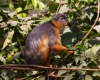 Further information was collected during brief periods between
February 1985 and April 1989 on the presence of monkeys in the
forest parks. It is not systematic nor extensive, but it indicates
clearly that action is needed if monkeys are to remain as part
of the country's wildlife. The most pressing need is for survey
work to supply the information needed to work out a conservation
plan."
Further information was collected during brief periods between
February 1985 and April 1989 on the presence of monkeys in the
forest parks. It is not systematic nor extensive, but it indicates
clearly that action is needed if monkeys are to remain as part
of the country's wildlife. The most pressing need is for survey
work to supply the information needed to work out a conservation
plan."
 Among
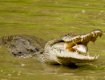
the reptiles at the park are the
Monitor Lizard, Nile Crocodile, West African crocodile, Dwarf
Crocodile, Spitting Cobra, black cobra, python Python sebae, Puff
Adders, emerald snake & Green Mamba though it is rare to see. Among
the reptiles at the park are the
Monitor Lizard, Nile Crocodile, West African crocodile, Dwarf
Crocodile, Spitting Cobra, black cobra, python Python sebae, Puff
Adders, emerald snake & Green Mamba though it is rare to see.
There are also numerous butterflies and moths such as the Saturnis.
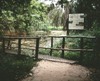 While
there you can also visit the Animal Orphanage which was set up
in 1997 as a rehabilitation centre by the DPWM. It cares for parrots,
hyenas as well as various kinds of Monkeys including Chimpanzees.
Also located on the reserve is the Darwin
Field Station which is a research centre focused on maintaining
The Gambia's biodiversity. There is also an exhibition, the Abuko
Conservation Education Centre and refreshments area which are
concentrated around the animal orphanage. While
there you can also visit the Animal Orphanage which was set up
in 1997 as a rehabilitation centre by the DPWM. It cares for parrots,
hyenas as well as various kinds of Monkeys including Chimpanzees.
Also located on the reserve is the Darwin
Field Station which is a research centre focused on maintaining
The Gambia's biodiversity. There is also an exhibition, the Abuko
Conservation Education Centre and refreshments area which are
concentrated around the animal orphanage.
NATURE TRAIL:
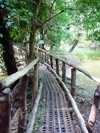 Starting
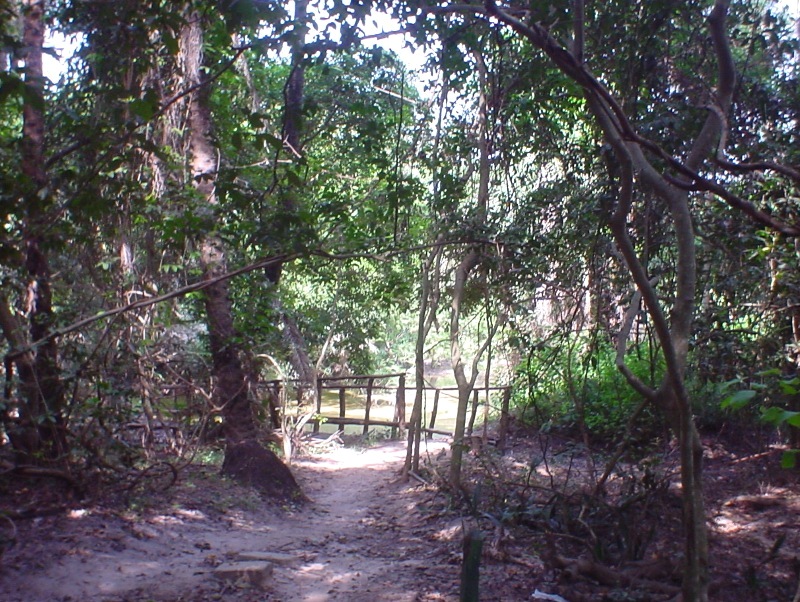
your trek you will first come across loose leafed Guinea savanna
and you will see trunks covered in mud deposited by tree ants.
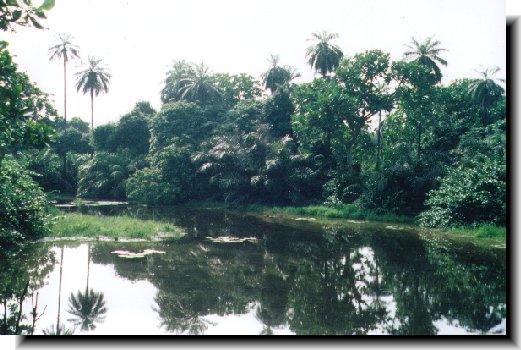
The trail later drops towards the main Bamboo Pool which is partly
covered in water-lilies and fringed by large palms. You will then
come across a wooden foot bridge which spans a small swampy stream
and goes past the first bird hide and towards the visitor's centre.
This building was built in 1970 as a rest house for visitors. Starting
your trek you will first come across loose leafed Guinea savanna
and you will see trunks covered in mud deposited by tree ants.
The trail later drops towards the main Bamboo Pool which is partly
covered in water-lilies and fringed by large palms. You will then
come across a wooden foot bridge which spans a small swampy stream
and goes past the first bird hide and towards the visitor's centre.
This building was built in 1970 as a rest house for visitors.
If you make your way up to the observation platform it is possible
to get a birds-eye-view of large lizards, numerous feathered
avians and Dwarf or Nile Crocodiles (particularly in the mornings
when they come out of the water to sunbath).
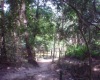 From
this point you follow the nature trail which leads you to thick,
dark, lush vegetation. As you turn left you will see the first
glimmering of open bright savanna which is soon interrupted by
more thick jungle which is interspersed at ground level with huge
trunks and large root systems. If you look carefully you can see
numerous ground squirrels, brightly coloured beetles, vervet monkeys,
soldier ants, birds and butterflies. As you continue along the
cooked path leading along the southeast you will arrive at an
enclosure housing some vultures and hyenas at the Animal Orphanage. From
this point you follow the nature trail which leads you to thick,
dark, lush vegetation. As you turn left you will see the first
glimmering of open bright savanna which is soon interrupted by
more thick jungle which is interspersed at ground level with huge
trunks and large root systems. If you look carefully you can see
numerous ground squirrels, brightly coloured beetles, vervet monkeys,
soldier ants, birds and butterflies. As you continue along the
cooked path leading along the southeast you will arrive at an
enclosure housing some vultures and hyenas at the Animal Orphanage.
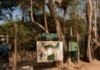 There
is a kiosk here where you can enjoy some refreshments. In the
next enclosure you can observe Crowned cranes, baboons and bushbuck
and next to them you will come across a few lions. From this area
there is a path that veers off towards the exit if you are feeling
a little tired by this time. There
is a kiosk here where you can enjoy some refreshments. In the
next enclosure you can observe Crowned cranes, baboons and bushbuck
and next to them you will come across a few lions. From this area
there is a path that veers off towards the exit if you are feeling
a little tired by this time.
A walk along the trail can take you a couple of hours though there
is a short-cut route.
Contacts details:
Department
of Parks & Wildlife
Management.
Tel no: +220 4376973
4376972
Fax:
4392179
Email: wildlife@gamtel.gm
TRAVEL INFORMATION:
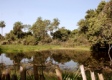 If
you are not with a tour operator
you can pick up a cheap bush taxi from
Westfield Junction that
is going to Lamin Village on the main Serrekunda
to Brikama road and ask to be let off
at the front entrance. The best time to visit for bird
watchers is early morning or late afternoon as you can avoid
the tourist crowds who tend to come over in the late morning or
early afternoon. If
you are not with a tour operator
you can pick up a cheap bush taxi from
Westfield Junction that
is going to Lamin Village on the main Serrekunda
to Brikama road and ask to be let off
at the front entrance. The best time to visit for bird
watchers is early morning or late afternoon as you can avoid
the tourist crowds who tend to come over in the late morning or
early afternoon.
Wear thick sturdy boots, use mosquito repellent and bring along
some refreshments if you plan to stay long.
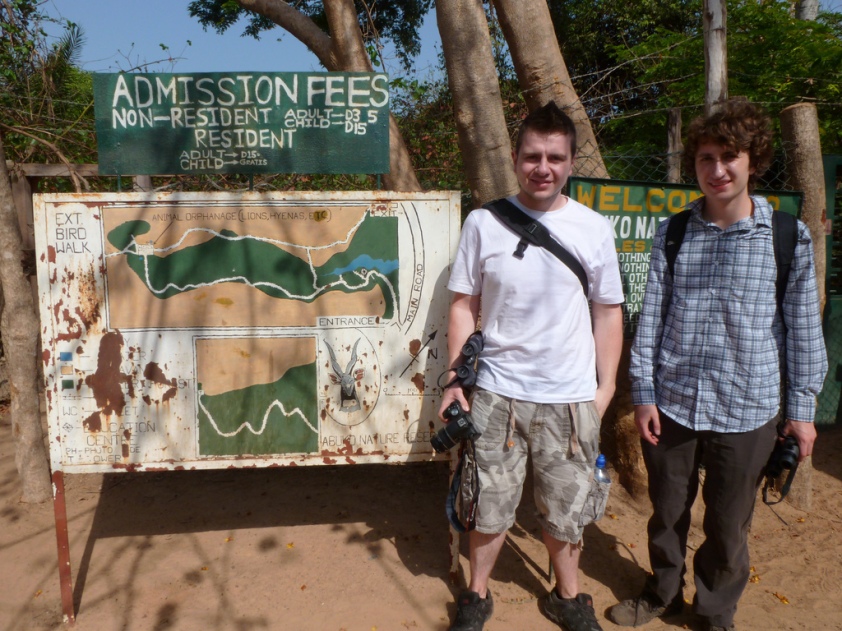
An entrance fee is payable. Without a tour
operator it could cost around £4 for a day trip. If you use
a tour operator then the cost could be up to £30 for a full guided
tour as well as hotel transfers. Refreshments are available should
you wish to spend the day there.
 Hotels
Map
Photos
Resorts
Hotels
Map
Photos
Resorts


|
|
 Attractions
Nature
Reserves
Resorts
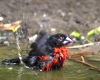
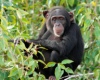
Abuko Nature Reserve
Ballabu
Conservation
Bama Kuno Forest
Bao Bolong Wetland
Bijilo
Forest Park
Bolong Fenyo
Kiang West
Kunkilling Forest Park
Makasutu Cultural Forest
Niumi National Park
Pirang Forest
River Gambia Park
Tanbi Wetlands
Tanji Bird Reserve
Tumani Tenda
|